Umlimi waseKarelian Utshala Izinhlobo Zamazambane Eziyi-15 Kumahektha angu-38, Uhlose Amathani Angaphezu Kuka-300
Ukuthatha okhiye
- 15 potato varieties, some experimental, on 38 hectares
- 300+ tonnes planned for the 2025 season on that area
- 7-10% is the planned gain over the previous year
- 1995: own operation after a state-farm and agronomy path
Kungani kubalulekile
- Kwabalimi
- Weigh a broad varietal portfolio against your own two or three workhorses: 15 varieties on 38 hectares spreads weather and market risk in a northern region, but it raises seed, storage and sorting costs - cost that before copying it.
- Kwabahwebi
- If you buy for regional retail or restaurants, treat a small northern farm with a long variety list as a source of niche lots, not volume: 300 tonnes is the whole season, so contract early and expect availability to vary by variety.
- Kwabahlinzeki
- Seed and equipment sellers: a 38-hectare grower running 15 varieties, including experimental ones, is a trial site as much as a customer - offer small seed lots and sorting solutions rather than full-field packages.
60-isekhondi isifinyezo
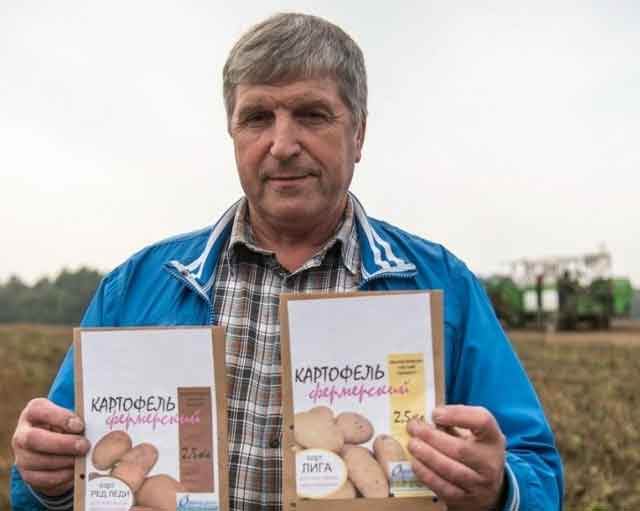
Anatoly Nazarov farms 38 hectares near the village of Ilyinskoye in the Republic of Karelia and grows 15 potato varieties there, some of them experimental. For the 2025 season he planned a harvest of more than 300 tonnes, which would be 7 to 10 percent above the previous year. He received a commendation from the Russian Ministry of Agriculture, presented by the head of the republic, and his potatoes go to hypermarkets and restaurants in Petrozavodsk. His path is a common one in the sector: work on a state farm, training as an agronomist, and his own operation since 1995. The account is a portrait rather than a data set - the 300-tonne figure is a plan stated during the season, not a confirmed result, and no yield per hectare, variety list or price is given. What it does show is a small northern farm using a broad varietal portfolio and direct supply to retail and restaurants to hold steady growth.
Anatoly Nazarov, a farmer from the village of Ilyinskoye in the Republic of Karelia, cultivates 15 potato varieties, including experimental ones, across 38 hectares. In the 2025 season, he planned to harvest more than 300 tonnes — 7–10% more than the previous year. For his achievements, Nazarov received a commendation from the Russian Ministry of Agriculture, presented by the head of Karelia. His produce is supplied to hypermarkets and restaurants in Petrozavodsk.
The farmer’s biography is typical of many in the sector: he began as a worker on a state farm, studied to become an agronomist, and has run his own operation since 1995. His trajectory illustrates how long-term experience, continuous learning, and a diversified varietal portfolio can translate into consistent growth and recognition at both regional and federal levels.
Isifinyezo Samazambane Omhlaba Wonke
Izindaba ezinhlanu eziphezulu, amanani, izexwayiso zezifo kanye nemicimbi. Ekuseni phakathi nesonto, akukho ukukhangisa.
Okulandelayo
The 300-tonne figure is the plan announced for the 2025 season. The article does not report the final result, the yield per hectare, or which of the 15 varieties performed best.
Kuxhunywe kulokhu okuqukethwe
- Izwe
- Russia
Izindaba ezihlobene
IColombia: Intengo Yamazambane eMedellín Ikhuphukela Ku-3,500 Pesos nge-kg Kusukela Ku-2,000 Njengoba Isimo Sezulu Esomile Sinciphisa Ukunikezwa
IPeru: Umkhiqizo Wamazambane Uphindwe Kabili Wafinyelela Ku-6.58 Million Tonnes Kusukela Ngo-2000 Njengoba Isivuno Sifinyelela Ku-19.5 t/ha