
Paraguay restricts potato import permits as importers press for Argentine supply
Ukuthatha okhiye
- MAG restricted potato and onion import permits
- Restriction applied on 3 September 2026
- Importers sought supply mainly from Argentina
- Filing system due at 07:00 failed for most
- Allocation runs first-come under Resolution 769/2024
Kungani kubalulekile
- Kwabahwebi
- Allocation is first-come under MAG Resolution 769/2024, so access to the filing system at the opening minute — not volume or history — decides who imports.
60-isekhondi isifinyezo
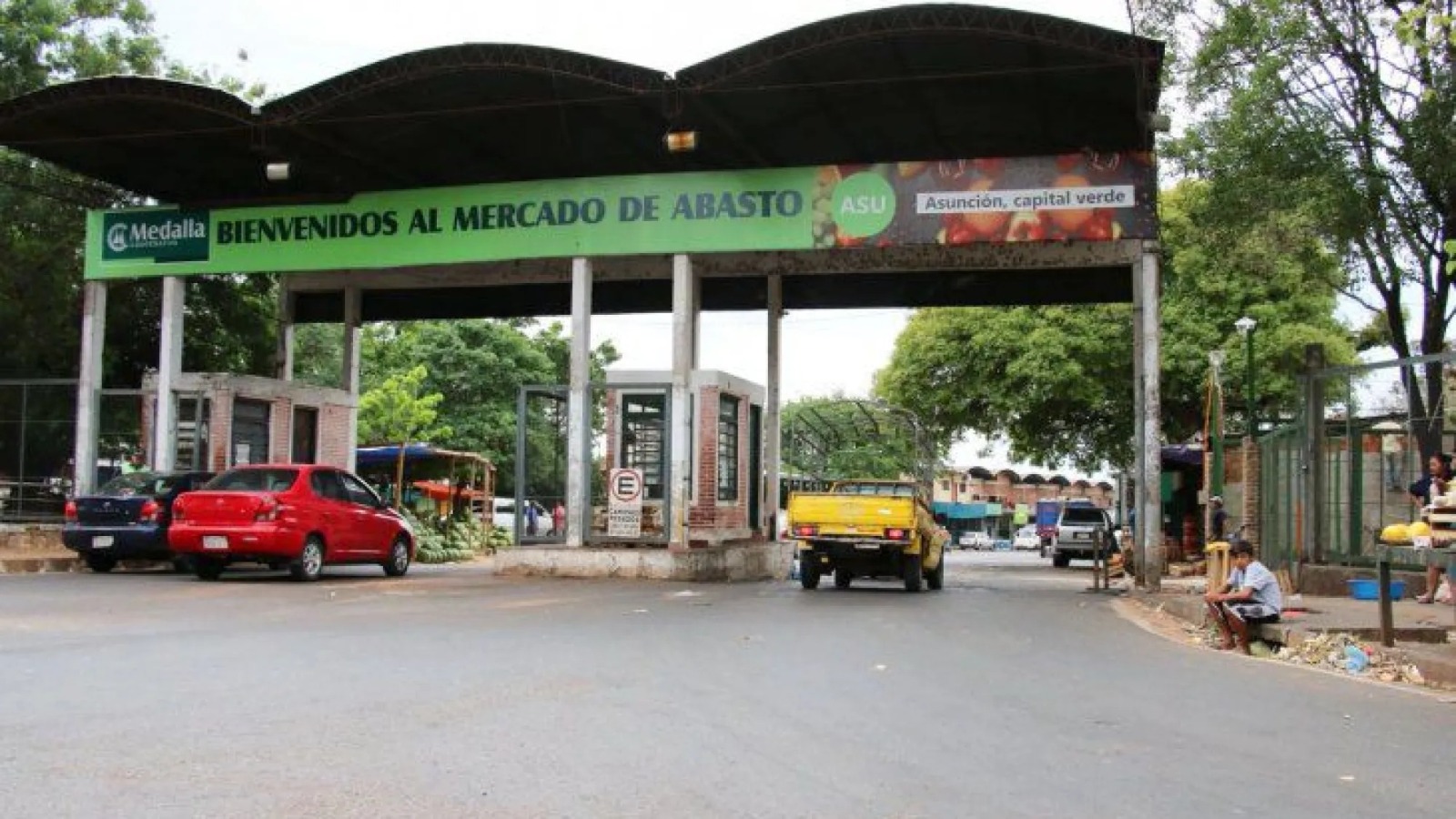
Paraguay’s Ministry of Agriculture and Livestock again restricted the issuance of potato and onion import permits on 3 September 2026, and importers at Asunción’s Mercado Central de Abasto want imports, principally from Argentina, opened without delay. The dispute centres on the electronic system for prior import accreditations: the filing window was due to open at 07:00, but access failures stopped most operators completing applications. ASICOFRU president Karen Leguizamón said some reached the system before the scheduled time and that accreditations went to a limited number of importers. The association demands transparency in issuing the AFIDI certificate and equal conditions for formal traders.
Ukucabanga. Paraguay’s Ministry of Agriculture and Livestock (MAG) again restricted the issuance of import permits for potatoes and onions on 3 September 2026. Importers at Asunción’s Mercado Central de Abasto alleged irregularities in how the permits were allocated and called for imports — principally from Argentina — to be opened without delay.
The dispute followed the opening of MAG’s electronic system for filing applications for prior import accreditations. According to the trade sector, the window was scheduled to open at 07:00, but access failures prevented most operators from completing their applications. Karen Leguizamón, president of the Association of Fruit and Vegetable Importers and Traders (ASICOFRU), said some operators reached the system before the scheduled time and that accreditations went to a limited number of importers.
ASICOFRU held a press conference at the Mercado Central de Abasto demanding transparency in the issuance of the Acreditación Fitosanitaria de Importación (AFIDI), clear rules and equal conditions for operators in the formal trade. The association also alleged irregular trading of permits and argued the restrictions encourage smuggling. These statements come from trade-sector representatives and had not been substantiated by any official investigation or ruling at the time of publication.
Izinsuku zeviki. Zikhiphe ohlwini ngokuchofoza okukodwa.
A first-come allocation rule sits behind the dispute
Permit issuance is governed by MAG Resolution No. 769/2024, which sets the procedures for approving import applications for fresh fruit and vegetables. Under the resolution, MAG’s Directorate of Commercialisation (Dirección de Comercialización) approves applications and assigns the volume of each consignment on the basis of three parameters: monthly unmet demand, average consumption, and national supply. Allocation follows chronological order of filing until the calculated demand is covered. The regime applies to tomato, sweet pepper, carrot, onion and potato. SENAVE retains the phytosanitary function and issues the AFIDI to authorised importers; applications are processed through the single importer window (VUI).
That chronological criterion explains the shape of the conflict. Because quota is allocated on a first-filed basis, the moment the window opens becomes a contest measured in seconds, and any access failure is immediately read as preferential treatment. The complaints are structural rather than incidental: in July 2026 the Association of Fruit and Vegetable Traders and Importers of Paraguay (ACIFP) had already demanded traceability of MAG decisions and a published calendar of import restriction and opening dates.
The supply arithmetic
MAG puts national annual potato demand at roughly 43,000 tonnes against production of about 6,000 tonnes in 2024, with domestic output covering the market for approximately 55 to 60 days a year. Daily consumption is estimated by the ministry at around 100 tonnes. Area planted in the 2024 season was 407 hectares, with average yields of 8 to 10 t/ha on conventional farms, which account for roughly 80% of growers.
The dependence is not confined to ware potatoes. Diego Garcete, MAG’s coordinator for potato and onion production, has identified total reliance on imported seed as a historic constraint on the sector, with the ministry aiming to begin domestic seed production from 2026 and reduce dependence on Argentine seed companies. Argentina therefore supplies Paraguay through two channels — ware and seed — and AFIDI restrictions affect only the first.
For the 2026 season MAG distributed 411,000 kg of seed potatoes to 1,193 growers across five districts of Paraguarí department (La Colmena, Acahay, Ybycuí, Ybytymí and General Bernardino Caballero). The investment was 6,699.3 million guaraníes, with a stated target coverage of 340 hectares.
Prices and the harvest calendar
The price effect is already on record. In late July retail potato prices nearly doubled, from 5,000–8,000 to 10,000–12,700 guaraníes per kilogram. MAG’s Directorate of Commercialisation recorded a bag of Argentine-origin potatoes at 70,000–75,000 guaraníes on 18 June. By 4 September, ASICOFRU vice-president Elvio Roa put the wholesale bag at around 130,000 guaraníes, with onions at 130,000–140,000. Roa asked the Directorate to open permits for at least a week as a transitional measure until national supply arrives, stressing that the request was not aimed at displacing Paraguayan growers: where domestic product is available, importers will buy it.
The Paraguayan potato harvest is not expected before October. That makes September the structurally tightest month of the balance sheet — the previous season’s stocks are exhausted and the new crop is still in the ground. Restricting imports at this point in the calendar produces the maximum price effect.
The ministry’s position
MAG has consistently justified restrictions by reference to the priority of national production. In July 2026 Minister Carlos Giménez said the ministry’s obligation was to secure market access for Paraguayan produce first, and attributed price spikes to importers buying in bulk and releasing stock gradually. Deputy Minister Nicasio Romero said at the same time that no AFIDIs would be issued for potatoes until a field survey established actual availability, after growers and importers gave opposing accounts of whether supply was sufficient. On 17 July, following trade representations, Giménez announced imports would resume, noting purchases would come from Argentina as usual and that the season had been complicated by a shortfall of rainfall.
MAG’s position on the September episode could not be obtained at the time of publication.
What this means for the trade
For Argentine exporters the exposure is regulatory rather than commercial. Volumes into Paraguay are set by an administrative decision of MAG’s Directorate of Commercialisation and by the chronological allocation rule, not by a price signal. Shipment planning through Clorinda requires tracking the AFIDI window schedule alongside MCBA quotations.
September to November should be treated as the high-risk contracting period. The import window narrows predictably ahead of the Paraguayan harvest. Contracts covering these months warrant provisions for delayed or withheld accreditation.
The seed channel is the more stable of the two. Paraguay has announced a move toward domestic seed production, but reliance on Argentine seed material remains in place and is not affected by restrictions on ware potato imports. For Argentine seed suppliers this is the more predictable segment.
For Paraguayan growers the protection is time-limited. With domestic output covering roughly 14% of annual demand, closing imports supports farmgate prices across a narrow marketing window but does not address the structural deficit. It also raises consumer price volatility, which in turn generates the political pressure that has repeatedly led to imports being reopened weeks later.
Isifinyezo Samazambane Omhlaba Wonke
Izindaba ezinhlanu eziphezulu, amanani, izexwayiso zezifo kanye nemicimbi. Ekuseni phakathi nesonto, akukho ukukhangisa.
Okulandelayo
The allegations come from trade-sector representatives and, as the article states, had not been substantiated by any official investigation or ruling at the time of publication.
Imithombo
- ASICOFRU press conference, Mercado Central de Abasto; statements by Karen Leguizamón — as reported in the article
Kuxhunywe kulokhu okuqukethwe
- Izwe
- Paraguay
- Izinkampani
- UMnyango Wezolimo Nezilwane (MAG)ASICOFRU
- izigaba
- Izindaba
Izindaba ezihlobene

ISlovakia: Intengo Yamazambane Asepulazini AseSangweni Ikhuphuka ngo-7.1% Ngeviki Yaya Ku-€47.08 Ngama-100 kg

I-Italy: Amanani Amazambane e-Bologna Ahlala ku-€0.80–0.95/kg njengoba Intengo Ebhekiselwe Kuka-2026/27 Ibekwe ku-€0.50/kg


